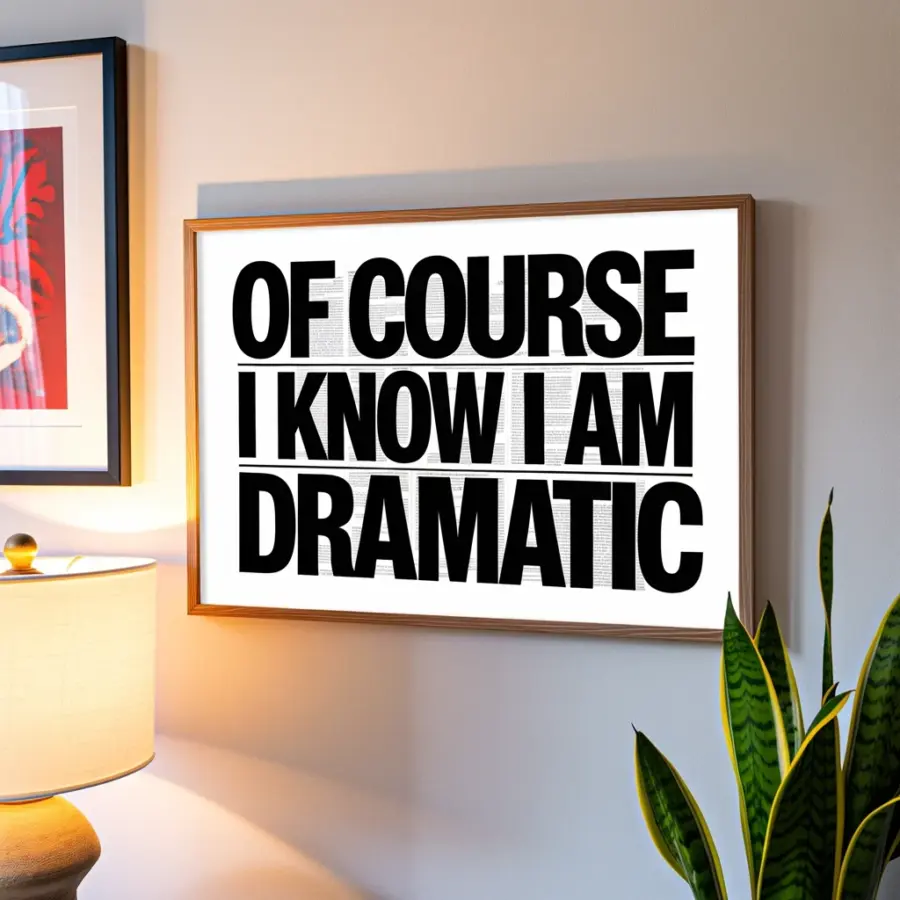
The Power of a Gallery Wall Arrangement
If you have a long stretch of empty wall, a gallery wall is one of the most forgiving statement wall art ideas to try first. You do not need expensive art. Mix a few personal photographs, a vintage print, and a small textile piece. The key is to lay everything on the floor before you hammer a single nail. Measure the total width and height, then tape off that rectangle on the wall. This little trick saves you from lopsided results. I prefer an organic layout over a strict grid because it feels more collected over time. Use frames that share at least one common color to keep the arrangement cohesive, even if the sizes vary.
A gallery wall works especially well above a sofa, console table, or in a hallway. Start with the largest piece slightly off center, then build outward. Leave about two to three inches between frames. For a more modern look, include a few black and white line drawings alongside a single botanical print. The mix of subjects adds interest without chaos. If you worry about damaging the paint, use adhesive picture hanging strips for lightweight frames.
Textured Panels for Subtle Depth
Sometimes bold color feels too aggressive. Textured wall panels give you a gentle, architectural statement without screaming for attention. You can buy pre-molded MDF panels or create your own with thin strips of wood arranged in a geometric pattern. I have seen beautiful results using vertical slats painted the same color as the wall. The slight shadows between slats add a soft rhythm across the room. This is one of the easiest accent wall ideas to pull off in a weekend.
For a more organic texture, consider woven rattan panels or peel-and-stick bamboo. They bring warmth into a neutral space and pair well with a white sofa or linen curtains. If you rent, temporary textured wallpaper with a linen or grasscloth effect gives you the same depth without permanent commitment. Just make sure the wall surface is smooth before application so the texture reads clearly. A textured panel wall behind the bed instantly creates a focal point that feels intentional, not accidental.
Oversized Art as a Single Statement
One large piece of art can do what a dozen small ones cannot: stop you in your tracks. I recommend going bigger than you think you need. A canvas that spans at least two thirds of the sofa length or bed width makes the room feel anchored. Do not worry about matching the exact colors of your throw pillows. Instead, pick an abstract piece that contains one accent color you already use, like a muted ochre or sage green. That subtle connection is enough.
If original art is out of budget, look for large-scale photographic prints or even a framed fabric remnant. A friend of mine used a vintage kimono stretched over a canvas frame and hung it behind her dining table. It became the most talked about thing in her apartment. The trick is to let the artwork breathe. Do not crowd it with shelves or lamps. Give it at least six inches of empty wall space on each side so it feels like a deliberate focal point. This type of statement wall art works brilliantly in rooms with high ceilings.
Floating Shelves with Curated Objects
A floating shelf arrangement is a living gallery that changes with your whims. Start with three shelves staggered at different heights. On each shelf, combine a small framed photo, a ceramic vase, and a stack of books. The books add weight and color, while the vase brings vertical height. I like to keep the color palette to two main tones plus one metallic accent. For example, warm woods and cream ceramics with a brass candle holder. This prevents the shelf from looking like a cluttered souvenir stand.
For a cohesive look, repeat a single element across all shelves. That could be the same frame color or the same type of plant. Small trailing plants like pothos or string of pearls soften the edges and introduce a living element. If you prefer a minimalist style, leave more negative space on each shelf. One large ceramic piece on a shelf by itself can be more powerful than three small trinkets. Float these shelves on either side of a doorway or above a low credenza to balance the room.
The Statement Mirror Trick
A mirror is technically not art, but it functions exactly like wall decor. A round, sunburst, or arched mirror reflects light and makes a narrow room feel twice as wide. I always suggest placing a mirror opposite a window to bounce natural light deep into the space. For a bold look, choose a mirror with an unusual frame: carved wood, black metal, or even a raw-edge driftwood circle. The frame becomes the artwork, and the reflection becomes the ever changing painting.
One practical tip: hang the mirror so the center is at eye level, typically around 57 to 60 inches from the floor. If you place it above a console table, leave about four to six inches between the tabletop and the bottom of the mirror. This creates a breathing space that feels intentional. You can lean a large floor mirror against the wall for a casual, effortless vibe. Pair it with a small side table and a lamp to make a vignette that works as both decor and function.
DIY Greenery Walls for Fresh Texture
Real or preserved plants on a wall add life that no printed artwork can replicate. A vertical garden frame filled with air plants or succulents brings a sculptural quality to a bare corner. If you do not want the maintenance of live plants, high quality faux greenery has improved dramatically. Look for preserved moss panels that need no water at all. They give a soft, velvety texture and mute sound slightly, which is nice in a home office or entryway.
Another approach is to use a single, oversized framed botanical print and then hang a small real pothos in a macrame holder
#walldecor #statementwall #accentwallideas #homestyle #wallart
Leave a Comment